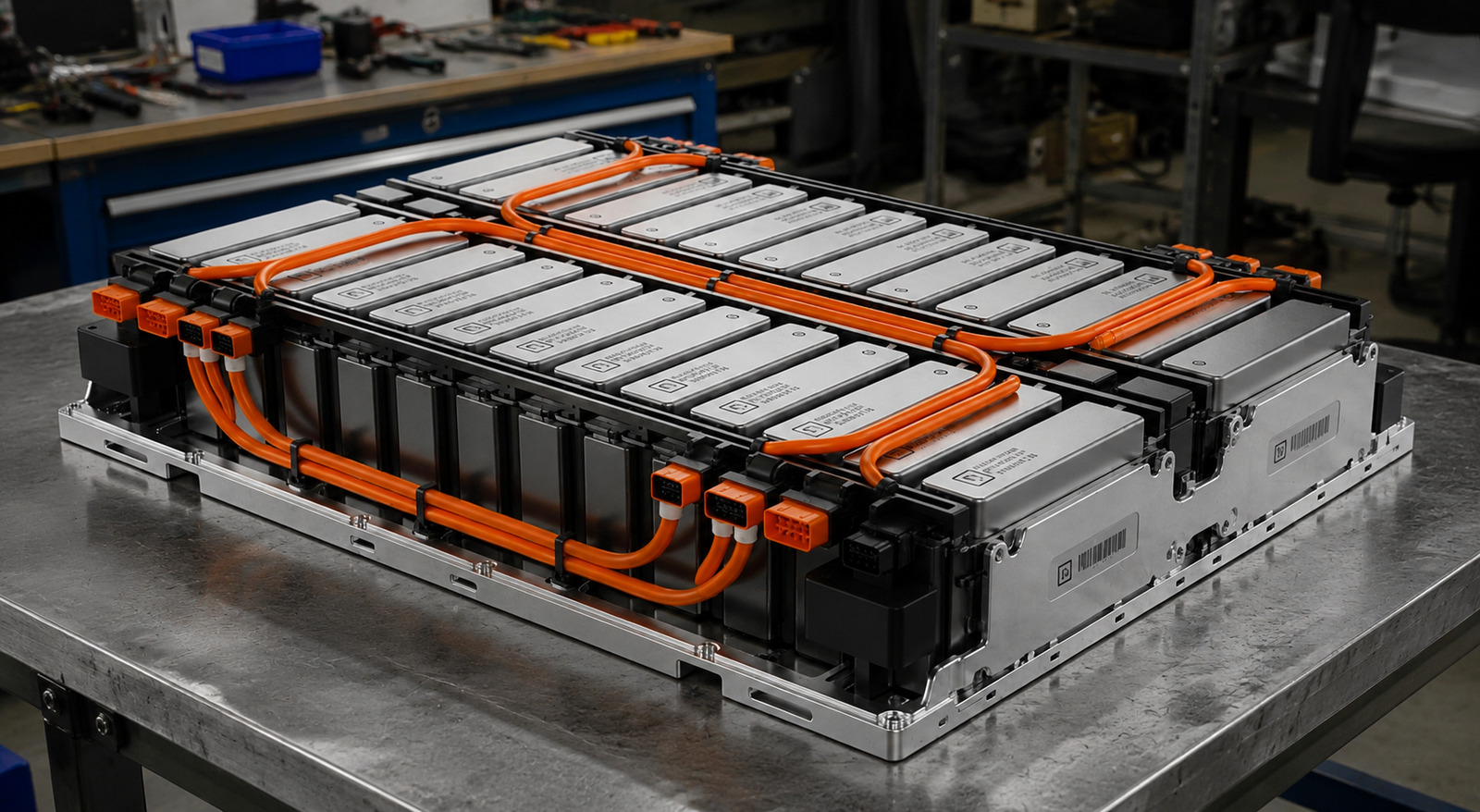
Lithium-ion batteries are one of the most important components in modern electric vehicles. They store electrical energy and provide the power required to run the electric motor, making them the heart of any EV system.
Unlike traditional lead-acid batteries, lithium-ion batteries are designed to deliver higher energy density, longer lifespan, and improved efficiency. These batteries allow electric vehicles to travel longer distances on a single charge while maintaining consistent performance.
A typical EV battery pack consists of multiple battery modules connected together. Each module contains several battery cells that work collectively to produce the required voltage and capacity. Advanced battery management systems monitor temperature, voltage, and charging cycles to ensure safe operation.
One of the biggest advantages of lithium-ion batteries is their fast charging capability. Modern EV charging systems allow drivers to recharge their vehicles much faster than older battery technologies. With improved charging infrastructure and efficient charging cables, EV owners can conveniently charge their vehicles at home or at public charging stations.
Another benefit is durability. Lithium-ion batteries are designed to handle thousands of charging cycles while maintaining stable performance. This makes them ideal for electric vehicles that require reliable energy storage over many years of use.
However, proper battery management and maintenance are essential for optimal performance. Temperature control, balanced charging, and quality battery components play a crucial role in ensuring long-term reliability. Many EV systems include smart battery management software that protects the battery pack and extends its lifespan.
The continued development of lithium-ion battery technology is helping make electric vehicles more practical and accessible. Researchers and manufacturers are constantly working to improve battery efficiency, reduce charging times, and increase overall driving range.
As electric vehicles continue to gain popularity worldwide, lithium-ion batteries will remain a key factor in shaping the future of clean transportation. Their efficiency, reliability, and environmental benefits make them the preferred energy solution for modern EV systems.